Column · @martinxsae032
Why Artificial Roofing Installers Recommend Weather-Resistant Roofing Products
When house owners begin contrasting roof covering choices, they usually focus on look initially. That is reasonable. The roof covering is just one of one of the most noticeable components of the house, and it has a significant effect on aesthetic appeal, resale worth, and building personality. Yet ask knowledgeable synthetic roofing system installers what issues most over the life of the roof covering, and the conversation shifts quickly from seeks to weather resistance.
That shift originates from jobsite reality. Roof coverings do not fail on a warm mid-day in perfect problems. They fail after freeze and thaw cycles, after lengthy spells of wind-driven rainfall, after hailstorms, after ice dams force water in reverse under a blinking detail, or after years of ultraviolet exposure dry out and weaken lesser materials. A roof covering can look superb on installation day and still end up being an issue in ten or fifteen years if the product is not developed for duplicated weather stress.
That is one reason synthetic roof coverings have gotten a lot ground, particularly in areas where environment swings are part of typical life. In position like the Midwest, where summer season heat, winter months ice, hefty rainfall, and high wind all turn up in the very same fiscal year, weather-resistant roof covering materials are not a luxury attribute. They are part of a reasonable long-term structure strategy.
Weather resistance is not one attribute, it is a complete performance profile
People typically speak about weather condition resistance as if it were a single characteristic. It is not. A truly durable roofing system has to execute across a number of classifications simultaneously, and weak point in any among them can reduce the life of the whole system.
A roof item needs to lose water dependably. It needs to resist uplift when wind obtains under subjected sides. It ought to tolerate impact from hail storm or airborne debris without cracking or shedding safety granules. It needs to hold its shape with development and tightening. It also requires to handle sunlight direct exposure, since ultraviolet radiation slowly breaks down numerous standard products. Include snow loads, ice development, ventilation worries, and blinking shifts around chimneys or dormers, and it becomes obvious why skilled crews pay a lot attention to the material itself, not just the installment pattern.
The ideal synthetic roof are designed with this wider efficiency image in mind. Rather than counting on the natural variability of quarried rock or hand-cut timber, producers craft these products to create even more constant strength, dimensional security, and water-shedding performance. That consistency matters on genuine homes, in genuine environments, over decades.
Why synthetic products are increasingly selected over standard slate and cedar
There is no rejecting the elegance of natural slate or cedar shake. Both have a long building background, and on the appropriate home they can look remarkable. However visual appeals and sensible efficiency are not always the very same conversation.
Natural slate is hefty. It might require structural analysis before installation, especially on older homes or on homes not initially developed for that tons. It can also fracture under influence, and repair services are a lot more specialized than several property owners expect. Cedar has a cozy, traditional look, but it is organic product. It can take in dampness, split, curl, weather erratically, and demand even more upkeep than several proprietors want to take on.
Architectural synthetic roof is eye-catching because it aims to protect the visual deepness and appearance of those superior products while decreasing a few of their useful disadvantages. Costs artificial roofing items can resemble slate or drink profiles remarkably well from the street, and typically from a lot closer distances also. More important, they are made to deal with wetness, temperature level adjustment, and influence in an extra controlled way.
That is why many property owners checking out synthetic roofing for luxury homes eventually move past the look question and start asking a different one: just how will this roof covering act after 10 Chicago winters months, or after a hailstorm occasion, or after repeated wind exposure along open great deals and taller altitudes? Experienced specialists appreciate that question, because it gets to the real worth of the material.
The Midwest climate clarifies the recommendation
If you work in roof covering enough time around Chicagoland, patterns become noticeable. The roofs that age well are typically the ones that were selected with local climate in mind. The roof coverings that generate callbacks frequently have one thing alike: the material was picked largely for cost or style, with climate efficiency dealt with as secondary.
Synthetic roof Chicago tasks are a good example. This area places roofs with a demanding cycle. January may bring subfreezing temperatures and ice buildup at eaves. Springtime often means wind, rain, and dramatic temperature level swings. Summer can bring high warmth on dark roof covering surfaces, complied with by severe electrical storms and hailstorm. Autumn presents leaf debris, drainage challenges, and the beginning of freeze-thaw changes again.
That repeated stress can expose weak points fast. Fragile products are more probable to split. Products that soak up wetness can experience during freeze-thaw biking. Roofing system treatments with poor effect resistance may reveal premature damage after one bad tornado. Products that expand and contract exceedingly can worry bolts, seams, or area details.
This is why a good synthetic roofing contractor does not talk in generalizations. They ask where the home rests, just how revealed it is, what the roof covering pitch looks like, whether the house has valleys that trap snow, whether there are huge trees nearby, and whether the owner desires a roofing system primarily for durability, aesthetics, or an equilibrium of both. Climate resistance is not an abstract sales term on those tasks. It is a reaction to reoccuring, predictable risks.
What synthetic roofing installers look for in weather-resistant products
Not all synthetic roof tiles are equal. Some are well-engineered, examined, and proven in the area. Others look impressive in a sales brochure however do not motivate the same confidence after years of installation experience. Professionals who focus on synthetic roof covering installation tend to review products with a useful eye.
They care about exactly how the product deals with attaching, exactly how regularly pieces fit, exactly how the material behaves in cold weather, whether device components are readily available, and whether the completed roofing system has enough flexibility to take effect without ending up being warped. They also pay attention to guarantee language, since broad marketing cases do not always match actual coverage.
A dependable synthetic roofing business generally evaluates at least 5 performance elements before recommending a product:
- impact resistance under reasonable storm conditions
- wind performance, especially at ridges, hips, and boundary edges
- moisture resistance and low water absorption
- color security under extended sun exposure
- compatibility with appropriate underlayment, blinking, and ventilation details
Those factors may appear technological, but they equate straight to property owner problems. Much less breaking means less repairs. Better wind resistance lowers the possibility of blown-off areas during storms. Reduced water absorption aids products remain stable via seasonal swings. Better UV stability indicates the roof maintains its appearance https://salvoarchitecturalroofingcontractors.com/cedar-roofs/ longer. Proper system compatibility lowers the danger of failure where roofing system aircrafts transform instructions or converge with walls.
Installation high quality still makes a decision whether the product meets its promise
Even the best roof covering material can underperform when it is set up improperly. That issues due to the fact that climate resistance is not just a product quality. It is a system outcome.
A premium synthetic roof covering panel or tile still depends on proper deck preparation, underlayment choice, flashing assimilation, fastener placement, starter information, and ventilation preparation. An artificial roofing system substitute done without interest to those basics may look tidy on the first day and still create leakages later.
This comes up frequently on bigger custom-made homes. A home owner may purchase synthetic roofing for deluxe homes since they desire the look of slate without the weight, or the appearance of cedar without the upkeep. But custom-made homes likewise have a tendency to have rooflines with more complexity: several dormers, curved sections, turret details, intersecting valleys, ornamental ridges, broad overhangs, and stonework shifts. Those functions develop even more possibilities for water intrusion if the installer is careless.
A solid synthetic professional roofer Chicagoland home owners can trust will generally spend an unusual quantity of time discussing details that are hardly noticeable when the work is done. Ice and water security at vulnerable areas. Flashing geometry around sidewalls. Ventilation balance between consumption and exhaust. Drain courses in valleys with heavy drainage. These are not attractive chatting points, yet they are specifically what make weather-resistant materials execute like weather-resistant roofs.
Hail, high wind, and freeze-thaw cycles transform the value equation
A lot of roofing decisions look different as soon as tornado repair service goes into the photo. Theoretically, a more economical roof covering can feel like the functional alternative. In the field, repeated repairs can remove that savings quickly.
Take hailstorm as an example. A product that bruises, cracks, or sheds safety emerging after impact might require patching, insurance claims, or partial substitute quicker than expected. An extra resilient synthetic product may set you back more ahead of time however hold up better through the very same climate occasion. The proprietor does not just minimize repair service costs. They avoid the disturbance of emergency situation tarping, interior water damages, organizing hold-ups, and the uncertainty that features storm season.
Freeze-thaw cycling creates a comparable problem. When wetness gets involved in susceptible materials and temperature levels decline, development can worsen small weak points. Gradually, those minor weak points become visible failings. Experienced synthetic roof covering installers know this is just one of the silent advantages of durable artificial items. If the material withstands wetness intrusion and maintains dimensional security, it has a far better possibility of aging beautifully through severe winters.
Wind is one more element that property owners typically undervalue up until a storm peels back a tab, lifts a ridge detail, or sends debris throughout the lawn. Much better attachment methods and stronger material layout can make a major difference. On revealed homes, particularly larger country properties with little windbreak, this matters a wonderful deal.
Synthetic roof covering fits modern-day expectations for lower maintenance
One of the toughest disagreements for household artificial roof covering is that it straightens with how most house owners in fact wish to live. People desire sturdy materials that look fine-tuned, but they do not desire a roofing that demands constant attention.
Natural products can be lovely and historically suitable, however they commonly feature upkeep assumptions that are very easy to underappreciate at the time of acquisition. Repairs may need harder-to-source items. Shade variation can make complex substitutes. Moisture administration can come to be an ongoing issue. Specialized labor might be necessary.
Synthetic roofings often attract owners that want a costs look without those same maintenance problems. That does not indicate they are maintenance-free. No roof is. Debris still needs to be removed, flashings need to still be examined, and tornado damages ought to still be dealt with quickly. However the daily ownership experience is usually simpler, which simpleness belongs to climate resistance too. A roofing that remains stable and functional with much less intervention is a roof covering that better supports the life of the home.
In markets like artificial roof Naperville IL, this functional side of ownership comes up usually. House owners there are not just thinking of the following five years. They are considering long-term building value, neighborhood look, and avoiding major interruptions in homes where they plan to stay.
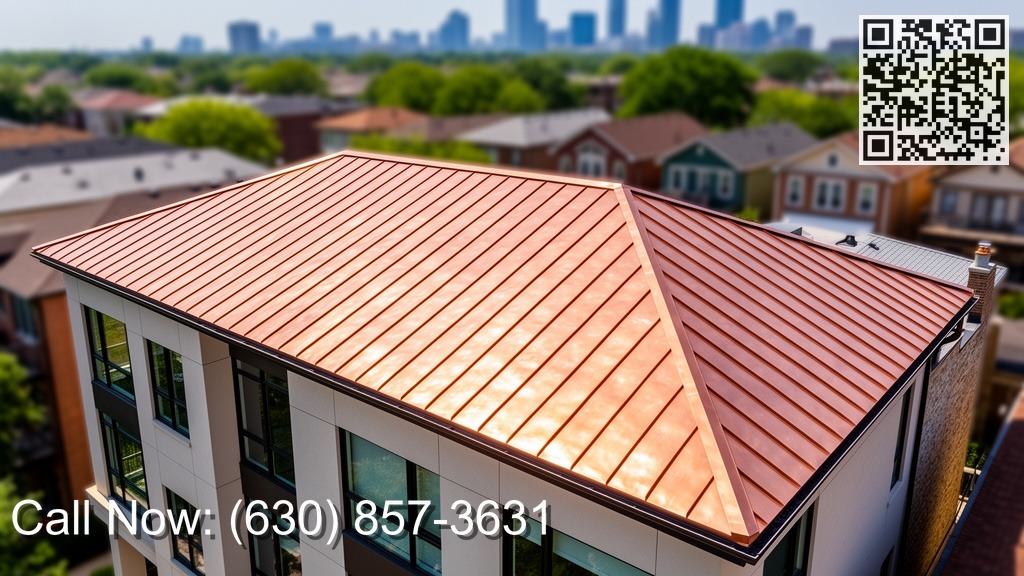
Appearance matters, particularly on higher-end homes
It would be misdirecting to act as if efficiency alone drives these suggestions. Looks issue, and they should. Roof covering is both a protective system and a layout element.
The factor costs synthetic roof covering remains to get approval is that lots of items currently do a much better work of replicating texture, darkness lines, density variation, and account depth than earlier generations did. On steep-slope roofings or big customized homes, those details make a visible difference. A flatter, cheaper-looking product can undercut the style of the house. A well-selected artificial account can support it.
This is particularly crucial with synthetic roofing for luxury homes, where percentage, detail, and end up high quality are all under scrutiny. Property owners in that segment frequently want the aesthetic character of slate or hand-split cedar, yet they likewise anticipate contemporary performance. Artificial products sit at that junction much better than they did a decade ago.
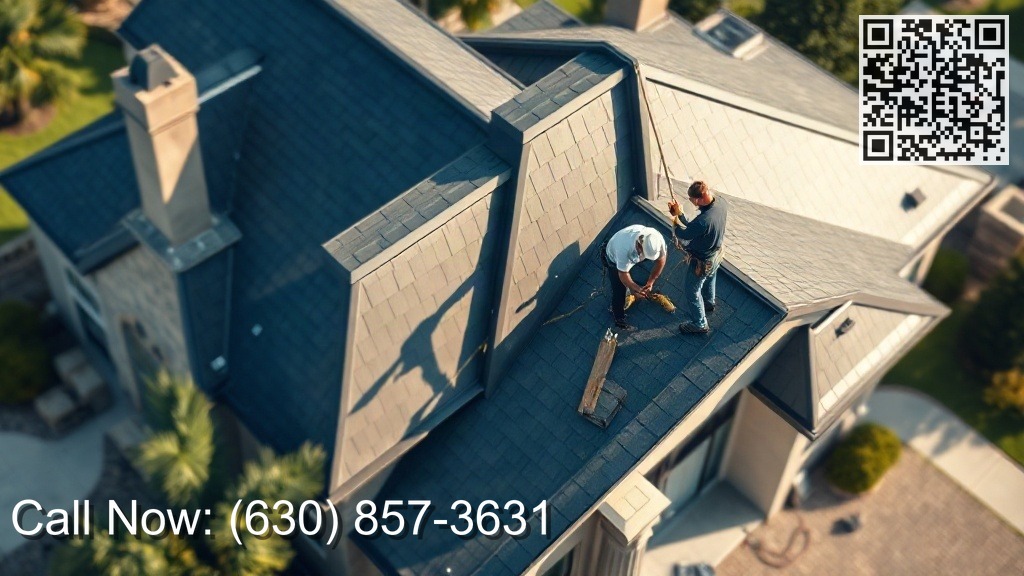
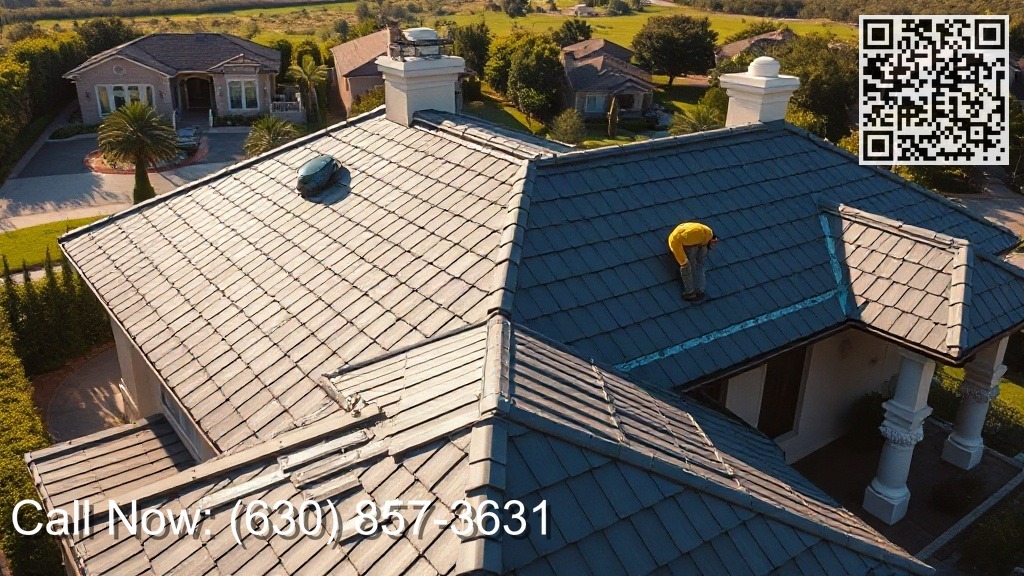
A contractor with layout experience will usually bring this up in a practical way. The appropriate roof covering needs to fit your home, not just the weather report. A French-inspired home may require a various account than a lakefront shingle-style house or a more recent transitional home with crisp lines. Weather resistance is essential, but it should not come at the cost of building comprehensibility. The stronger synthetic items let owners have both.
Where property owners need to be cautious
Synthetic roof covering is not immediately the right response for every job, and experienced professionals are generally straightforward concerning that. Some products are superb. Some are mediocre. Some are not a great fit for particular roofing geometries or house owner expectations.
Cost is the very first care. Premium items and knowledgeable setup are not deal options. A homeowner looking just for the lowest upfront cost might not see the value promptly. That stated, most affordable initial price and finest lasting worth are seldom the very same point in roofing.
Another care is installer experience. Artificial materials can have certain fastening patterns, design requirements, cutting methods, and accessory needs. A specialist that mainly installs common asphalt roof shingles yet occasionally uses synthetics may not deliver the exact same result as a crew that collaborates with these systems regularly. If the home has a difficult roofline, that experience void becomes even more important.
Homeowners should additionally be sensible regarding product choice. A solid artificial roof covering company will certainly explain the differences between brands and item tiers instead of explaining all artificial roofing systems as interchangeable. They are not.
When evaluating an artificial roof covering replacement, it aids to concentrate on a brief collection of inquiries:
- How does this product handle local weather, specifically hailstorm, wind, and freeze-thaw conditions?
- What installation details are most vital on my roofing design?
- Has the crew mounted this certain product previously, on homes comparable to mine?
- What upkeep must I anticipate over the following ten to twenty years?
- If repair work are required later, how offered are matching materials and accessories?
Those concerns have a tendency to produce far better choices than asking only about color selections or square-foot pricing.
Why professionals that back up their job lean toward resilient materials
The installers who the majority of strongly recommend weather-resistant roof covering products are typically the ones that need to address the phone when something goes wrong. That adjustments viewpoint. It is very easy to praise a roof on setup day. It is much tougher to be certain in it after years of seasonal abuse unless the material and system have actually gained that confidence.
A trusted artificial professional roofer thinks beyond the sale. They think about how the roofing will certainly act during the following wind event, whether snow will rest greatly because north valley, whether summer season heat will accelerate wear on the south-facing incline, and whether solution calls are likely after hail storm period. That useful, slightly hesitant frame of mind is healthy. It leads to better recommendations.
For homeowners, the message is straightforward. Weather condition resistance is not marketing fluff when it originates from skilled installers. It is a hard-earned top priority formed by repair work, callbacks, tornado inspections, and years of seeing which roofings maintain safeguarding homes after the pamphlet has been forgotten.
That is why artificial roofing system installers often guide customers towards stronger, extra durable materials. They know a roof covering needs to do more than look good at the aesthetic. It should protect the home through the complete variety of problems the building will encounter, and maintain doing that year after year with as few shocks as possible. On that particular standard, well-chosen synthetic roofings have come to be a major, useful option for property owners who want resilience, appearance, and long-lasting self-confidence in one system.
When Quality Matters
Salvo Architectural Roofing Contractors
566 West 5th Ave Naperville, IL 60563
(630) 857-3631
 Ask ChatGPT
 Ask Grok
 Ask Perplexity
 Ask Claude
 Ask Google AI
 Ask You